
Decision Infrastructure for Capital-Intensive Brands

How I Work
1. Risk & Decision Diagnosis
Every engagement begins by identifying where risk is hiding — operationally, financially, and organizationally.
We examine:
Inventory exposure
Demand assumptions
Fulfillment and 3PL structures
Cross-functional decision flows
Where capital is leaking quietly
This phase creates a shared understanding of what actually matters — and what doesn’t.
2. Supply Chain Decision Operating System
From there, I design a custom operating system tailored to your business.
This system:
Defines decision guardrails
Clarifies ownership across teams
Aligns inventory, demand, and cash
Creates repeatable logic for high-stakes calls
This is the infrastructure that allows teams to move quickly without gambling with capital.
3. Execution Support & Transition
Insight without execution is just theory.
I support:
Implementation of new decision rules
3PL or fulfillment transitions
Inventory resets and cleanup
Cross-functional alignment during change
The goal is not dependency — it’s durability.
Your team should be able to operate confidently long after I step out.
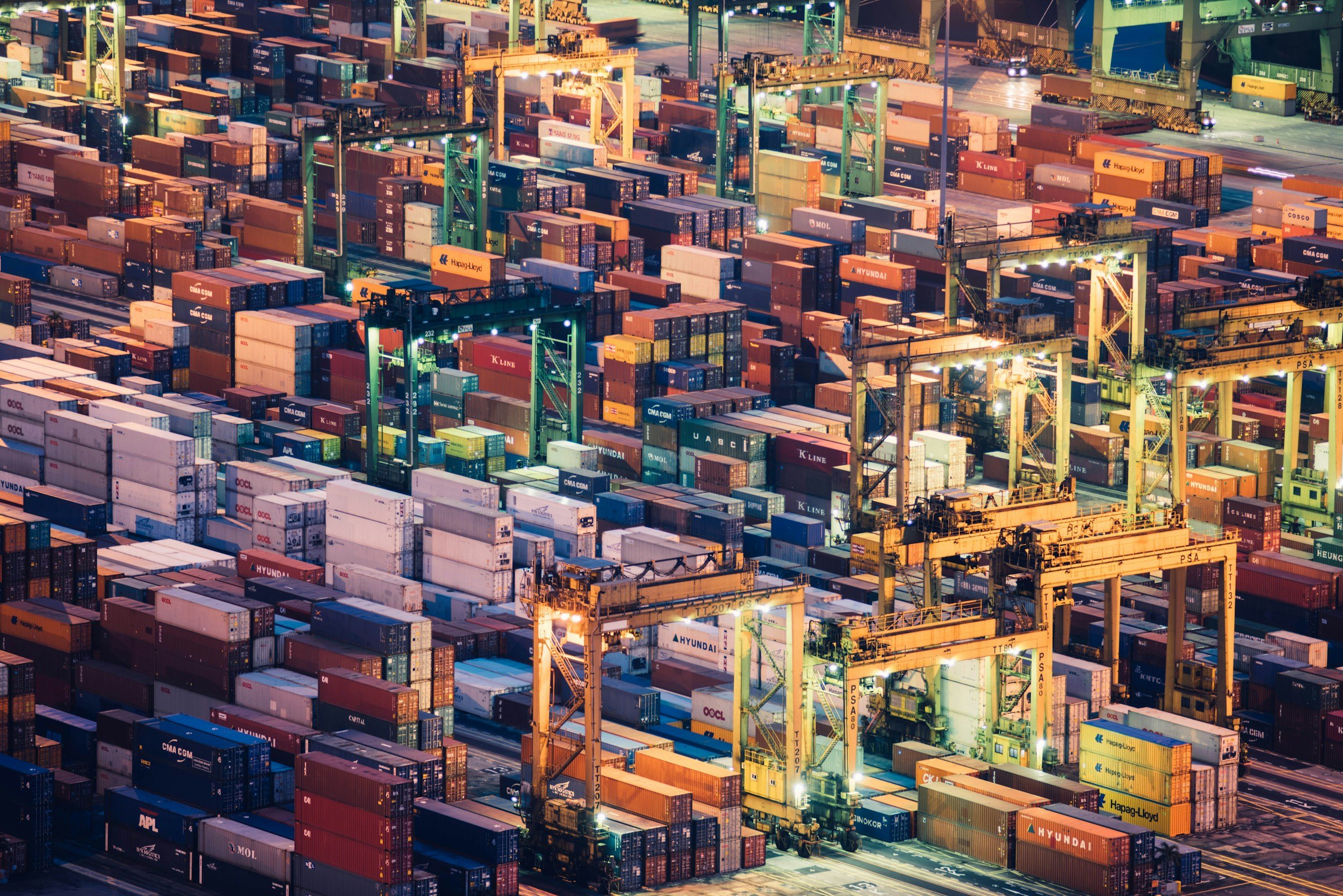
This work is not traditional supply chain consulting.
I partner with consumer brands navigating growth, volatility, and complexity to design decision operating systems that surface risk earlier, preserve capital longer, and replace reactive execution with intentional control.
What I do
I work at the intersection of supply chains, capital, and decision-making.
That means helping brands answer the questions most teams avoid until it’s too late:
Where is capital actually at risk?
Which decisions are reversible — and which are not?
What happens downstream if we get this wrong?
What is the real cost of “moving fast” without structure?
The result is not a deck.
It’s clarity, control, and confidence in execution.
This work exists to surface risk earlier, preserve capital longer, and intentionally redirect the value created.
What Makes This Different?
This work is built from real operator experience inside high-pressure environments — not theory, templates, or generic best practices.
I’ve sat inside the risk.
I’ve owned the outcomes.
I’ve seen how small decisions compound — for better or worse.
That perspective shapes everything here.
Who This Is For?
I typically work with:
Founder-led and executive-led consumer brands
Capital-intensive businesses where inventory matters
Teams scaling faster than their systems
Organizations feeling the cost of reactive decisions
If your supply chain feels “busy” but not controlled — this work is for you.
If you’re navigating growth, complexity, or high-stakes supply chain decisions, we should talk.
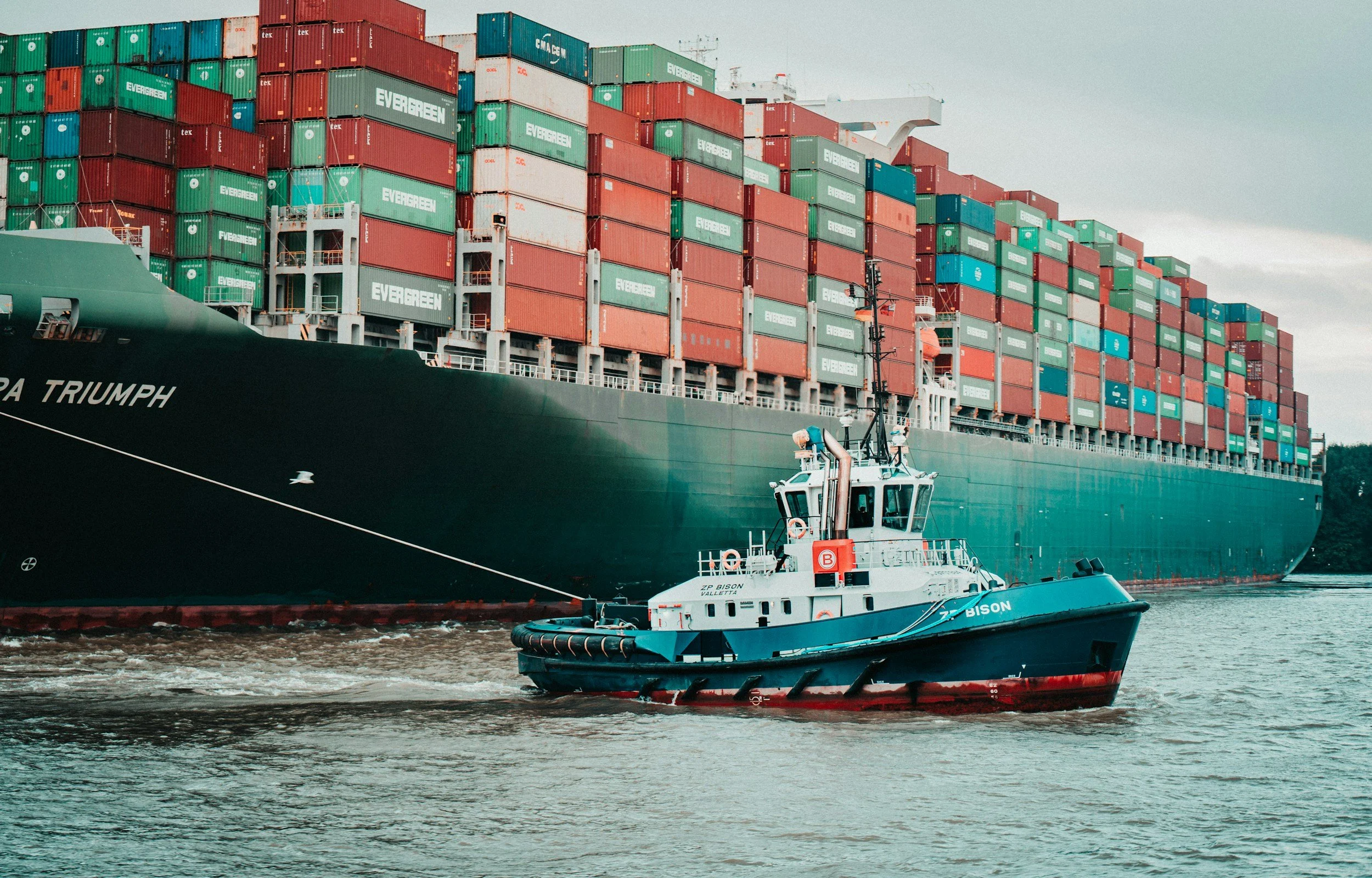
engagement structure
Engagements are typically structured as:
Short-term diagnostic and system design
Follow-on execution or transition support
Advisory partnerships during critical growth phases
Each engagement is scoped intentionally — no bloated retainers, no filler work.
-
I work with founder-led and executive-led consumer brands operating in capital-intensive environments where inventory, fulfillment, and demand decisions materially impact cash flow.
My ideal clients are navigating:
Growth that has outpaced their systems
Increasing inventory or fulfillment complexity
High-stakes decisions with real downstream consequences
If your supply chain feels active but not fully controlled, this work is likely a fit.
-
I primarily work with consumer and product-based businesses, including:
CPG and food & beverage
Apparel, footwear, and accessories
Health, wellness, and personal care
Pet, lifestyle, and emerging consumer brands
The common thread is not category — it’s capital exposure through inventory and operations.
-
Engagements are custom-scoped based on the complexity of the business, the level of decision risk involved, and the type of support required.
Most work begins with a focused diagnostic and operating system design, with optional execution or transition support as needed.
If there’s mutual alignment, pricing is discussed transparently after an initial conversation.
-
Logistics is a component of the supply chain — focused on the movement and storage of goods.
Supply chain is the decision system behind:
What gets made
How much is ordered
Where inventory lives
When capital is committed
How risk is managed across functions
Logistics moves products.
Supply chain decisions determine whether the business wins or bleeds capital.